How Can Video Game Developers Use AI Responsibly?
December 24, 2025
Video game development, at the top level, is getting more and more expensive as the years go by. Rising operation costs are a major factor, sure, but the expectations behind modern releases are also increasing. AAA studios — and any developers that want to compete in that space — now have to manage games with incredibly ambitious scopes.
With AI as an emerging technology, it really should be no surprise that many development teams are incorporating it into their work processes. Above all, AI promises greater efficiency, not just with coding but with everything surrounding video game development. In concept, AI is a dream companion tool for developers of all backgrounds. Small indie teams can use it to make up for their lack of numbers, while big studios can use it to increase productivity. Financially, the use of AI makes a lot of sense.
Using AI Isn’t Inherently Immoral, But It Can Be
The inevitable discussion when it comes to the use of AI is the ethical and moral dilemma behind it, particularly for generative AI — the most problematic type. Is it fair for businesses to be using AI as if it were completely inconsequential? The answer to that is a definite no, but not for the reasons that generally get thrown around.
The environmental impact of AI is a legitimate issue, but the biggest concerns surrounding the technology have to do with the future rather than the present. In the grand scheme of things, how data centers go through water isn’t anywhere near as harmful as the leading causes of water pollution. Many data centers actually recycle and reuse the water brought into their systems.
Where AI will prove to be truly harmful is in its power demands. Electricity prices are likely to keep on rising. And to satisfy those increasing demands, turning to a greater consumption of fossil fuels may be inevitable. How this technology develops the infrastructure around us is where we should be most concerned. Ultimately, however, AI as a technology is not at fault there. Certain companies creating a fake demand for AI is the real issue.
Another clearer area of controversy is in how dangerous AI can be for artists in the long-term. There is a very real threat of artists being put out of jobs by the technology. Voice acting, graphic design, and even music are already areas where AI is digging its heels in. For projects with very small budgets, maybe AI makes sense, but its existence should never be an excuse for the more well-off to cheap out on art.
Creativity is one of humanity’s greatest gifts. For us to become artistically dependent on AI, that would be a total travesty. AI can offer a valuable alternative perspective to ideas, but relying on it to shape a narrative or develop the visual style of a game is a step too far. It is very understandable to be averse to the mere concept of that taking place.

How AI Can Be Used In The Video Game Industry
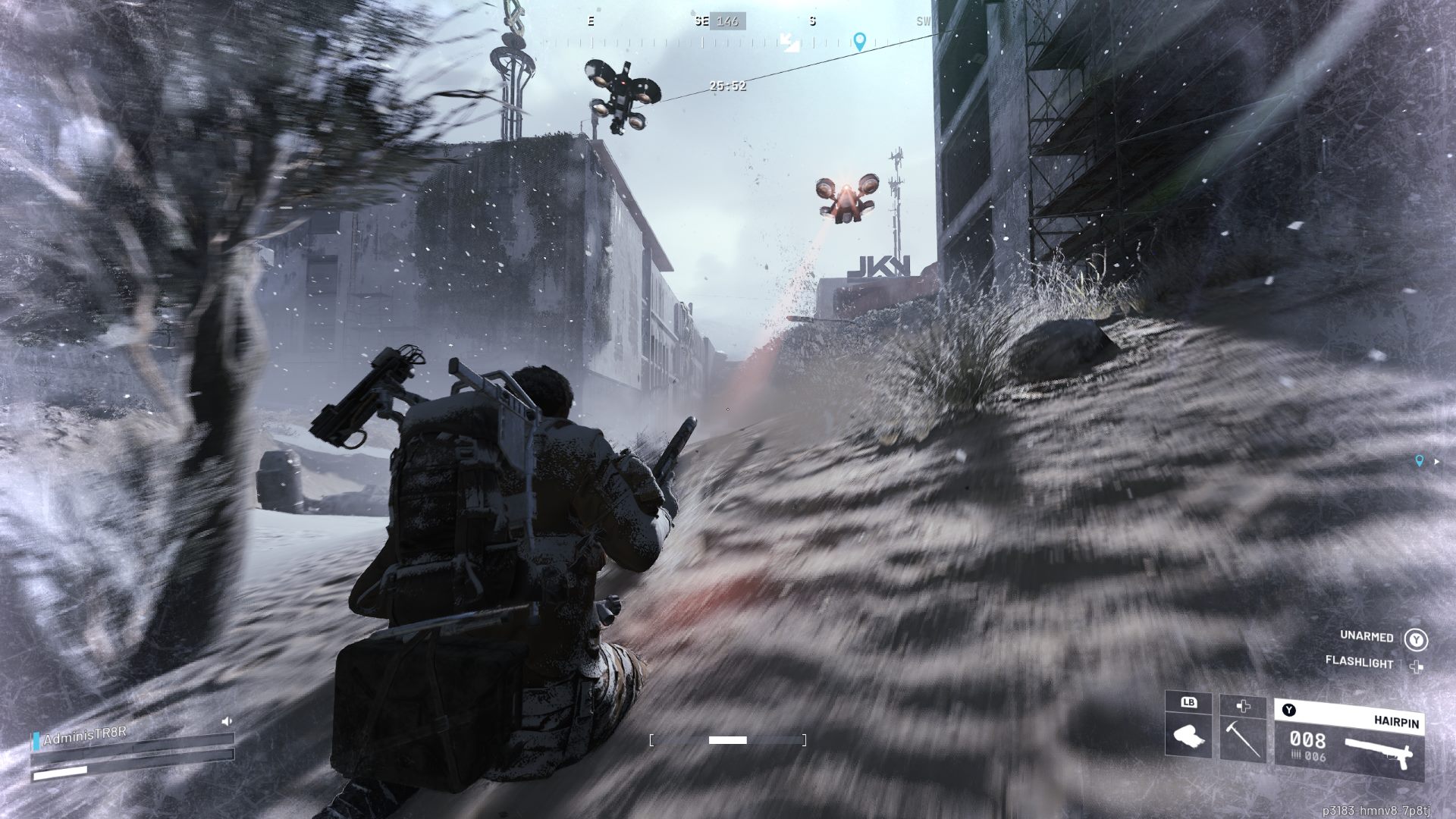
Currently, Embark Studios is the developer that is arguably the most transparent about their use of AI. It would be hard for them not to be, considering how blatantly it is included in their games. Despite their reliance on AI, Embark has actually found great success with their games, particularly with ARC Raiders, 2025’s Best Multiplayer Game at The Game Awards.
It would be easy to criticize Embark for their consistent use of AI voice work, but they’re not technically doing anything wrong. The AI voices present in THE FINALS and ARC Raiders are trained on sound bites from paid voice performers who knew what they were getting into. While the resulting voices in-game sound as grating and inauthentic as you’d expect, from what we understand, Embark has at the very least approached all that in the most ethical way possible.
If Embark is guilty of anything, it’s being cheap. Yes, the developer has used "procedural- and AI-based tools" in other parts of development, according to ARC Raiders’ Steam page, but those sorts of tools have been around well before this new AI fad. It’s actually important to distinguish machine learning — which is what Embark Studios has used in things like animation — from generative AI, as they have very different scopes.
Machine learning is all about continually analyzing observed behaviors until an AI can make educated predictions and decisions on what it has studied. In ARC Raiders, that’s used to great effect to help make the ARC enemies feel more lively. They actually adapt and react to their environment in incredibly realistic ways. Ducking behind a corner isn’t very effective against them for that reason. Machine learning really isn’t anything to be afraid of. If anything, it’s something that the industry should embrace more, because it can really enhance the player experience.
Generative AI is a technology that goes a step further. Not only does this kind of AI learn from past data and patterns, but it uses that knowledge to mimic what it has studied and create new content. This is an undeniably fantastic technology to have, but it also happens to be very dangerous.
Generative AI can be used to steal the voice of famous voice actors and the art style of popular illustrators. Its convenience is incredible, but there is something inherently immoral about what it does. Selling something that is primarily built with generative AI may make sense for developers with a nonexistent budget, but it is hardly the right thing to do without proper permission or credit. Stealing assets will never be okay, especially if they are infringed upon in a very direct way.
Ironically, Embark Studios is pretty clean when it comes to AI. They might be a perfect example of how actively incorporating AI into video game development doesn’t need to be inherently evil. All the voice stuff is pretty bad, though. It’s ethically done, but trying to get out of paying voice actors in the long-term is a bit pathetic for a company with so much money. Everything else is perfectly fine, about as responsible as a developer can be with the technology.
Studios Have Their Reasons for Using AI, That Doesn’t Always Mean They’re Good
If we’re being totally real, this all wouldn’t be worth the discussion if not for Larian Studios’ overt candidness about their interest in and use of AI. It was a bad PR move for Swen Vincke, the CEO of Larian Studios. Being open to AI is one thing, but Swen confessed a little too much about its potential applications within the development team.
The main issue with Larian’s approach to AI, at least according to those who negatively reacted to Vincke’s revelation, is that it puts too much creativity in the hands of AI. Vincke has since clarified his statements to specify that they "use AI tools to explore references" and can also use it as "a rough outline for composition" that eventually gets replaced with original concept art.
This clarification obviously isn’t placating anyone. Indeed, it ends up in a pretty morally gray area. Generative AI won’t be included in any final product, but Larian won’t exactly be able to argue that it didn’t have an influence on design decisions. This is bad for two reasons: Larian could be using reference data that isn’t owned by them and the dev team could end up drawing too much inspiration from AI results.
In a vacuum, Larian Studios isn’t exactly in the wrong. You know what else loves to shamelessly steal ideas from other intellectual properties? The human mind. AI is simply capable of stealing things faster and with zero sense of regret. The laziness behind that way of thinking, though, is pretty sad. There are many different ways to improve productivity in game design, but this shouldn’t be one of them. AI is great at iterating on what has been done, but human ingenuity is responsible for finding out what can be done. Game design is an art, and being limited by machines is a disgraceful concept.
Sandfall Interactive, the studio behind Clair Obscur: Expedition 33, has also come under fire for confessing to the use of generative AI. Things got bad enough for Expedition 33 that it even had its award wins from The Indie Game Awards 2025 revoked. To be honest, Sandfall deserves to get some flak for what they’ve done, but using AI for temporary filler assets is hardly the worst thing in the world. If we’re being realistic, Sandfall’s stance on AI is actually pretty healthy. Guillaume Broche, director of Clair Obscur: Expedition 33, is completely against the idea of using generative AI in any creative capacity.
Related Read
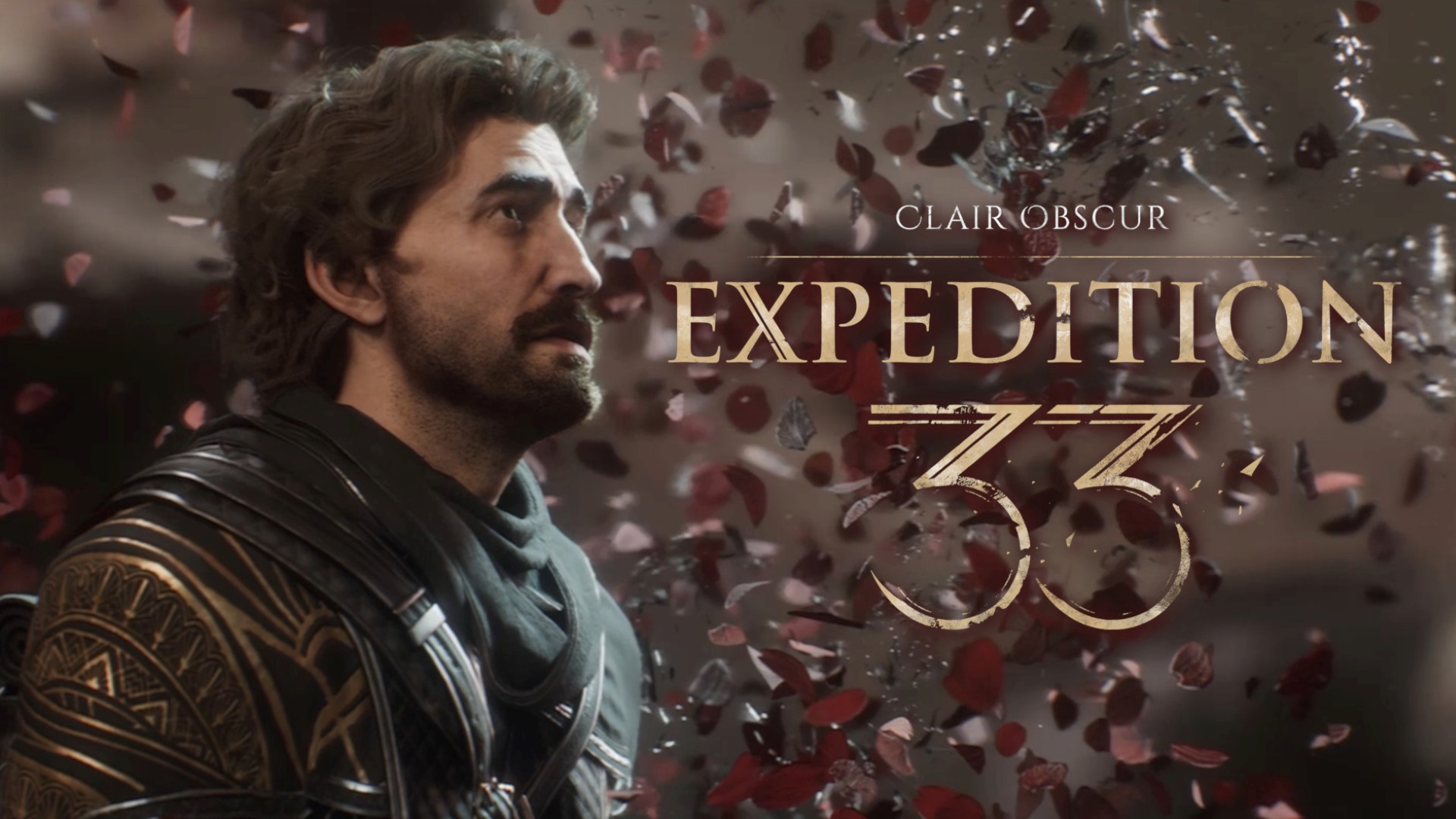
The responsible usage of AI in video game development depends heavily on maintaining a stance like Broche’s. The technology has a place as a production solution, but it should never have creative control. The reality is that AI is becoming a part of more and more work processes. It’s understandable to prioritize greater efficiency, especially when it comes to things like programming, but developers need to draw a line somewhere. That line should be around a game’s vision. That’s not something that should be rushed.
To close this all out, I just want to say that the use of AI in a development process is only as relevant as its impact on the game’s final version. I know this is a bit of a contentious opinion to have, but there are way too many disingenuous reactions to AI. We shouldn’t be tearing down Clair Obscur: Expedition 33 because the developers wanted to test the capabilities of a gen AI tool. By all means, that game is still a human-crafted experience, a beautiful one at that. Art is art until it isn’t. What matters is that creativity should always reign supreme.
Companies like Level-5, they’re playing a much more dangerous game. Level-5 uses AI in just about every artistic aspect. Map design, environmental concepts, title screen layouts, side quests — Level-5 is referencing AI for all of those things. Even if they train generative AI off their own material, this all needlessly sidesteps the company’s artists and damages the vision of their projects.
Borrowing that heavily from AI is just begging to remove any sense of a coherent identity from their future games. Maybe they’ll be able to make more in less time, but relying on AI in that way treats game development too much like a business. Yes, companies make video games to sell them for a profit, but there’s just no point in doing that if they value artistic expression that little. If you don’t have fun making games, don’t make them. Relying on ChatGPT to help you program a turn-based combat system isn’t evil, using it to shape your game’s world just to get it out faster definitely is.