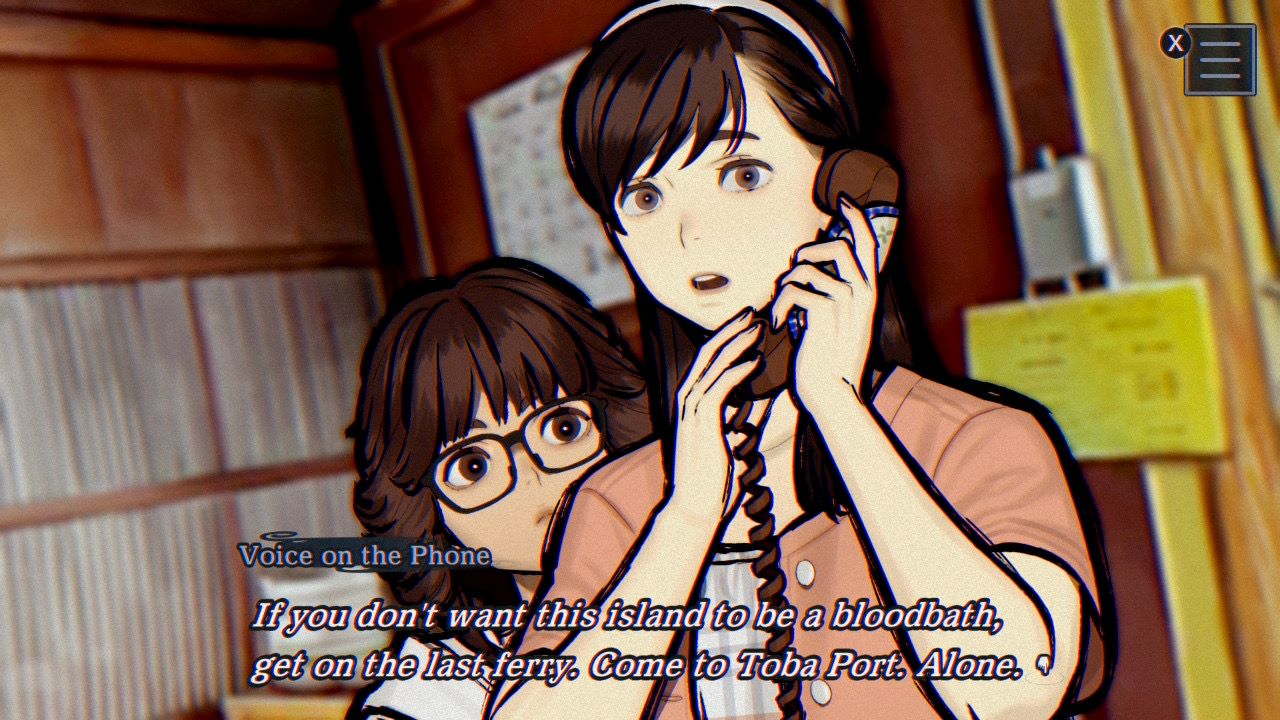
Review: PARANORMASIGHT: The Mermaid’s Curse — Death, Love, and Mystery
February 23, 2026
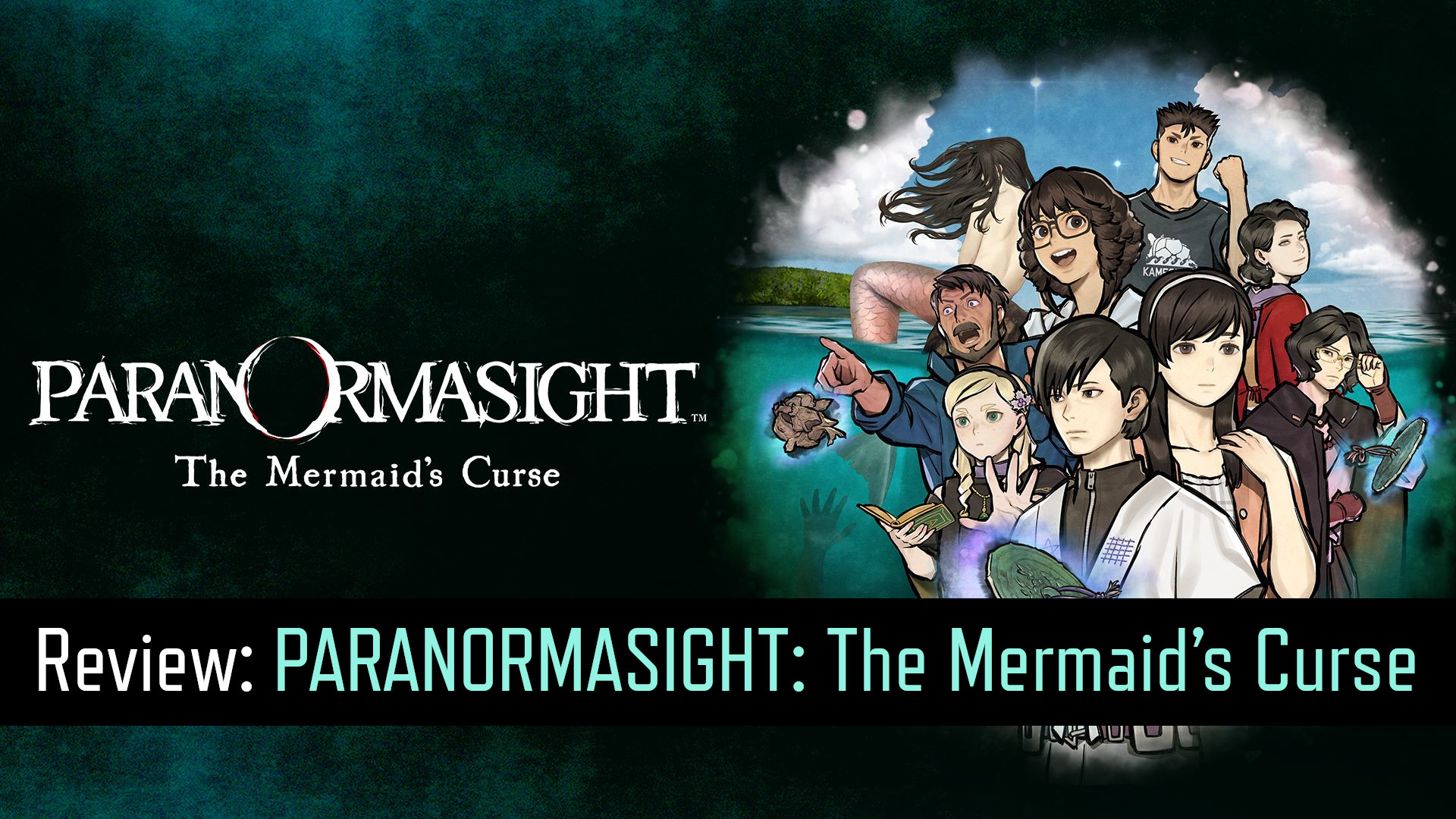
PARANORMASIGHT: The Seven Mysteries of Honjo likely wasn’t outright made with the intention of spawning a big, new franchise. That game was so good, though, that a sequel like this just made sense, and I’m really glad that they’ve not shied away from bringing original ideas to the table. PARANORMASIGHT: The Mermaid’s Curse is a dream come true. It’s a well-deserved sequel, and it does not disappoint as a continuation of the first game’s beautifully unique form of storytelling.
Enjoyability: 10/12 — Seiman, It’s All Good
What I personally love about the PARANORMASIGHT games is how delightfully engaging they are. They really want your full attention, and the games certainly make it hard to look away. The Mermaid’s Curse may not outmatch The Seven Mysteries of Honjo when it comes to creating tension in scenes, but the more overt lightheartedness in the sequel does an equally good job of keeping things interesting at all times.
PARANORMASIGHT: The Mermaid’s Curse is exceptional in how it adds the right amount of levity to the story. The more personable characters play a big part in this. Though The Mermaid’s Curse takes itself fully seriously as a horror mystery, there is more than enough room for some quirkiness throughout the journey. The humor in this game is charming and well-written, and I think it truly adds an extra layer of depth to the experience.
Chasing down big plot developments and solving mysteries is still the main appeal of the game, but the characters and their unique personalities and relationships also give players something to always look forward to. PARANORMASIGHT: The Mermaid’s Curse is fairly limited in what it can offer as a text-heavy adventure game, but the game leverages its strengths incredibly well. Most players will get a lot out of the game’s relative simplicity.
Gameplay: 10/12 — Diving Into Specifics
PARANORMASIGHT: The Mermaid’s Curse involves a lot more active participation than its predecessor. This is one aspect that I think definitely needed improvement, so it’s nice to see that come to fruition. The game is still dominated by dialogue, but there’s more to actually control in the various different chapters.
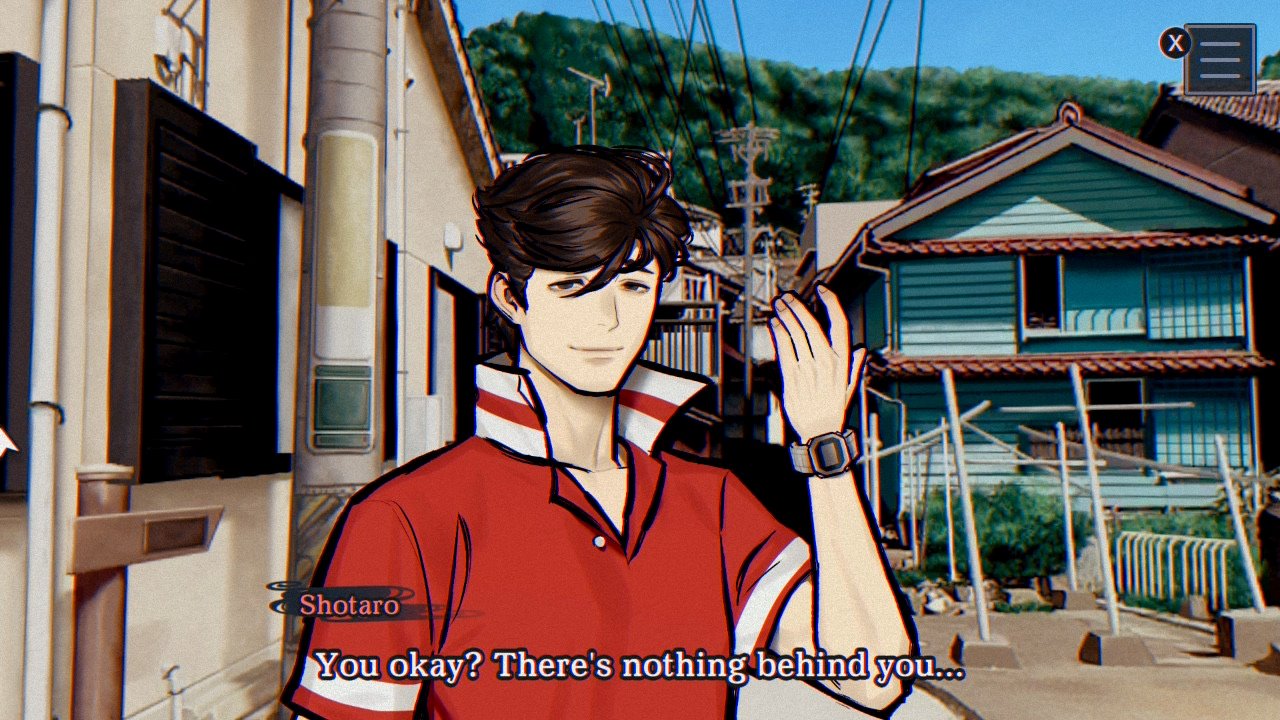
The Mermaid’s Curse notably offers a diving "minigame" that serves as an early demonstration of the sequel’s new design approach. To get through the whole game, players will have to interact with the world in a more meaningful way — at least, when compared to The Seven Mysteries of Honjo. There still isn’t too much to interact with, but The Mermaid’s Curse feels more like a proper adventure game. Something even as simple as handling a map is incredibly satisfying when you’re fully in charge of finding out its secrets.
I do want to be extra clear, though. The PARANORMASIGHT games being so dependent on player choices within chapters is far from a weak point. I actually think it’s one of the series’ most enticing features. PARANORMASIGHT: The Mermaid’s Curse is honestly a bit weak in this area as its story has a pretty linear path forward after a certain point, but it still feels nice to advance through the story in your own specialized way. Having freedom is a great thing.
Atmosphere: 11/12 — Japanese Culture on Full Display
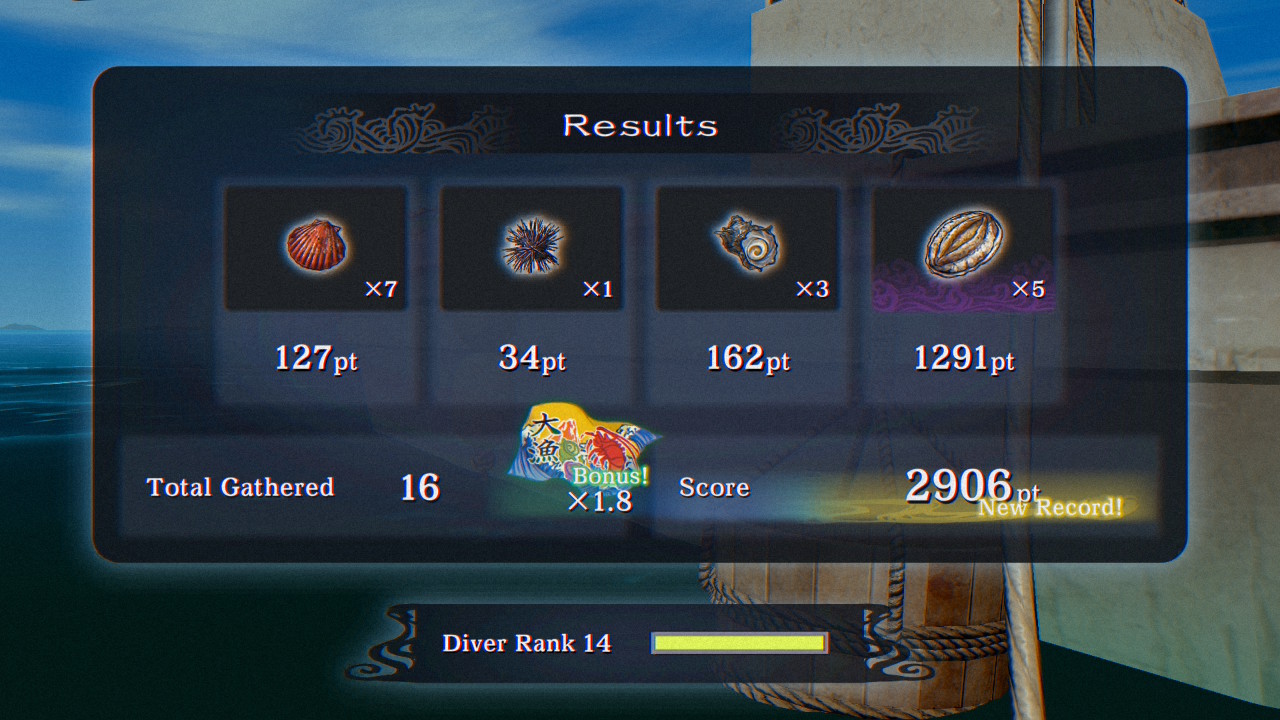
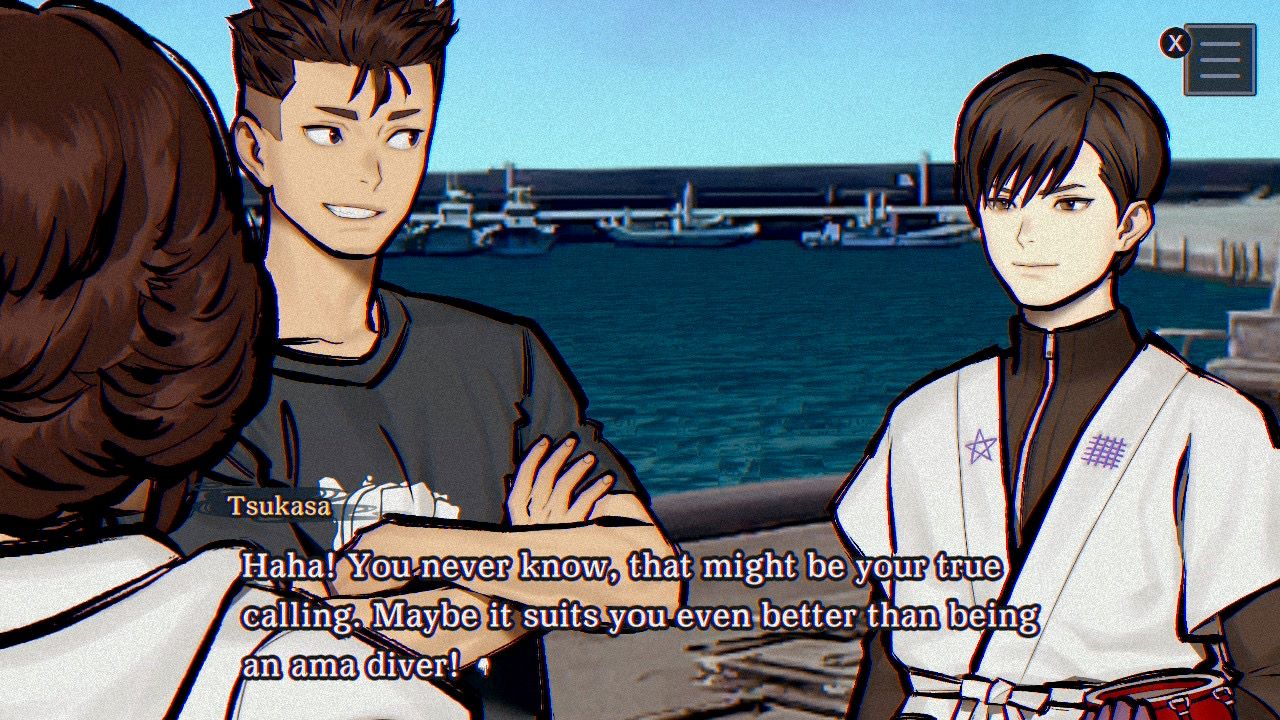
A gorgeous soundtrack and incredibly beautiful art are two qualities that PARANORMASIGHT: The Mermaid’s Curse was always going to have. The first game in the series set a very strong standard. Where The Mermaid’s Curse really surprises is in how much better it ties the game’s story and locations to Japanese culture.
PARANORMASIGHT: The Seven Mysteries of Honjo is shaped significantly by Japanese folklore, but there’s little about it that actually sticks with players after beating the game. PARANORMASIGHT: The Mermaid’s Curse, on the other hand, incorporates old mythology and tales into its narrative in a much more profound manner. The folklore and history that is used shapes the entire identity of the game.
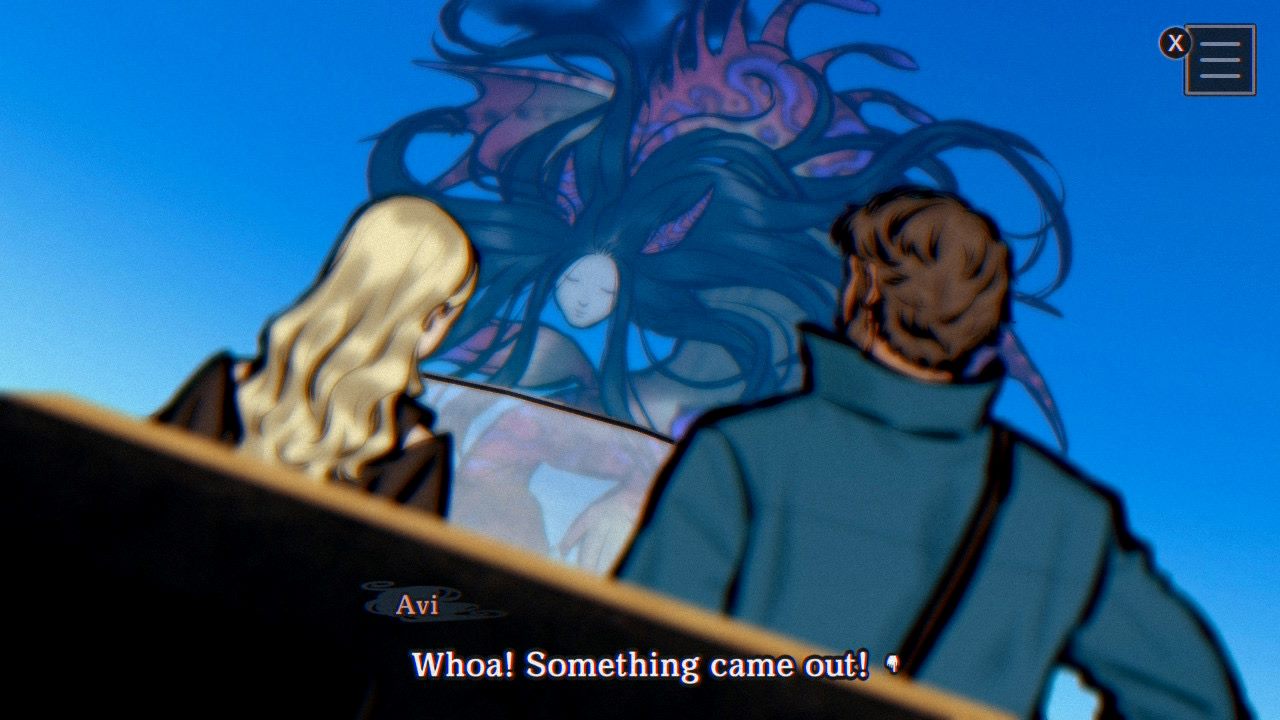
PARANORMASIGHT: The Mermaid’s Curse, unsurprisingly, explores the mermaid mythos to the fullest. This premise only comes off as interesting as it does, however, thanks to the careful attention put into supplementing that narrative. There are characters that jump off that mythology perfectly. What’s even more impressive to me, though, are the environments.
Japan is beautiful in a lot of different ways, and PARANORMASIGHT: The Mermaid’s Curse proudly embraces that. Because The Mermaid’s Curse isn’t hyperfocused on horror, there’s actually room to explore the complex history of certain locations and customs. Kameshima is just a mere snapshot of one very specific subsection of Japanese culture, and yet that’s enough to create a super compelling main setting for this game. I miss the horror, but the cultural richness of The Mermaid’s Curse isn’t a bad trade-off.
Design: 11/12 — Never-Ending Substance
Any game that can successfully deliver its narrative in a non-linear fashion deserves a lot of praise. That’s not something that’s easy to do. PARANORMASIGHT: The Mermaid’s Curse handles this effortlessly. The game always wants you to question the events that are unfolding. What are the characters’ motives? What pieces of information are you missing? Even when you expect new chapters to recontextualize everything, the twists still feel incredibly dramatic. How PARANORMASIGHT games approach their storytelling is just brilliant.
PARANORMASIGHT: The Mermaid’s Curse can be unofficially broken down into three acts. The fact that they each feel so distinct from each other despite following much of the same story beats is honestly quite impressive. There is a freshness to the narrative and main gameplay loop that persists all the way up until the true end to the game. A lot of attention was put into creating an incredible adventure for players to slowly parse through.
Direction: 11/12 — Surviving the Curse Together
Visual novels are home to some of the most captivating stories in gaming, and PARANORMASIGHT: The Mermaid’s Curse definitely stands out with its writing. Beneath an already fascinating mystery that ties itself strongly to Japanese folklore are a bunch of subplots that explore some really evocative themes. Feeling like a stranger in one’s own home, what the pursuit of immortality really means for a person, the balance between tradition and modernization — there is a lot to engage with.
The Mermaid’s Curse as a whole is a game that I can simply describe as being deeply beautiful. Death is in the air, but so is love and an unwavering, united resilience. PARANORMASIGHT: The Mermaid’s Curse is a coming-of-age story like one I’ve never seen before.
My sole criticism of PARANORMASIGHT: The Mermaid’s Curse’s direction is honestly that it ends too soon. I think the climax of the story doesn’t mesh very well with players’ pursuit of the true ending. Knowing that you’re going to miss something as the story draws to an apparent close just feels so wrong. I think there was room to build up the final chapter more, but that’s just a minor blemish in what is otherwise a top narrative of the year.