Review: Resident Evil Requiem — A Storied Past Meets the Excellent Present
March 7, 2026
What Capcom has done with the Resident Evil franchise over the past decade is nothing short of remarkable. The series has become synonymous with both consistency and quality, a stark turnaround from where things had been left directly after Resident Evil 6. Capcom hasn’t just regained the trust of its fans; Resident Evil has now reached a new crescendo.
Resident Evil Requiem represents the absolute best of the franchise’s current direction. The game feels clearly guided by the success of its predecessors. This isn’t just some iterative work, though. Requiem is a proper evolution. The survival horror elements, for example, could honestly be considered the best in the series. Resident Evil Requiem proudly celebrates the past, but more importantly, it stands as a pillar of the strong present.
Enjoyability: 11/12 — Feel Like a Million Bucks
Time and time again, Resident Evil games prove to be some of the most immersive in the entire gaming industry. Resident Evil Requiem takes things an extra step further, attempting to win players over on two completely different fronts. Where some Resident Evil games have tried to blur the line between survival and action, Requiem simply offers both. And for the most part, this actually works surprisingly well.
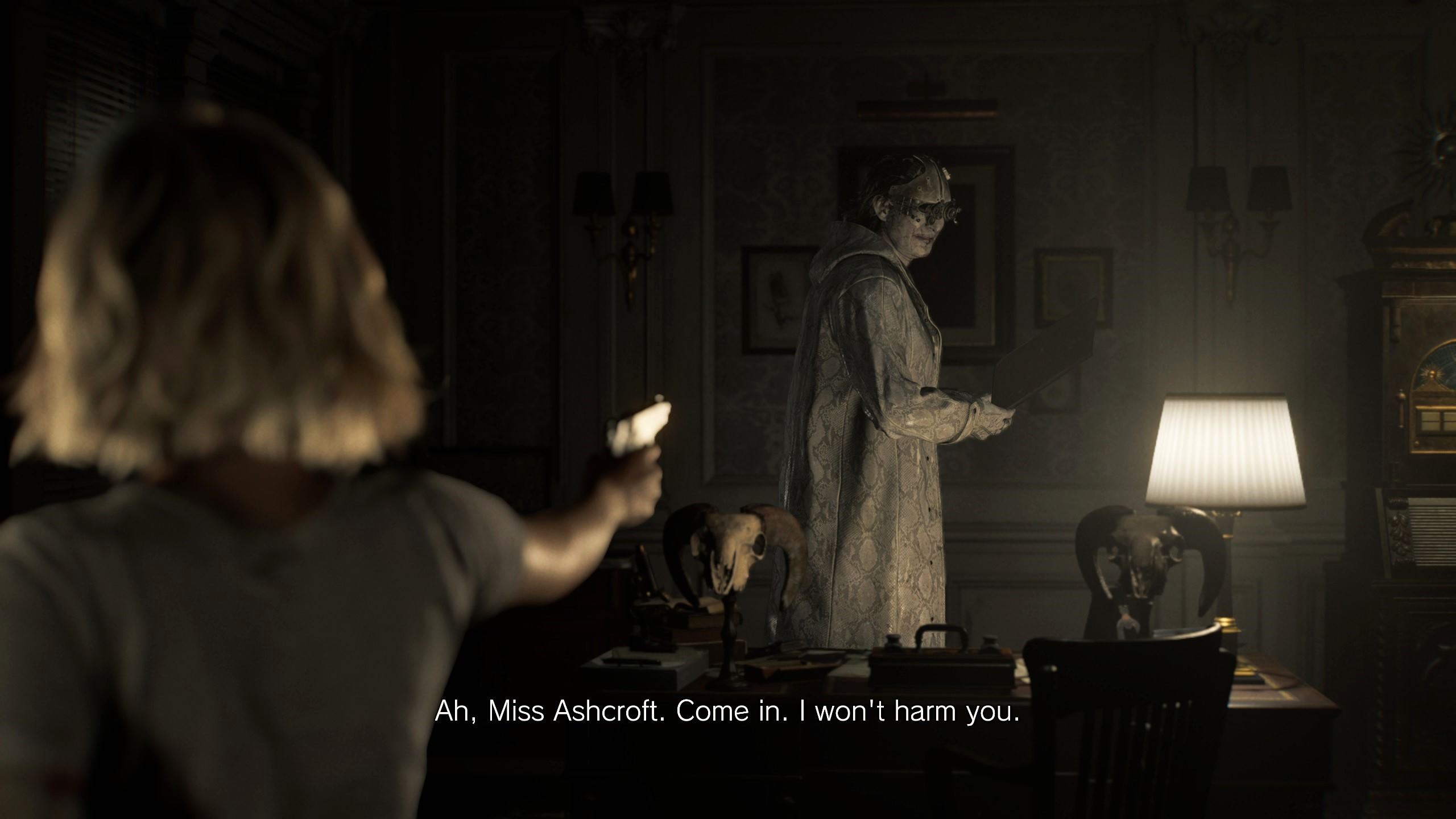
The Grace Ashcroft sections are incredibly suspenseful and thrilling. The extent of the horror is beyond gripping. I really think that it’s the scariest that Resident Evil has ever been. Grace being such a scaredy cat really comes through, actually managing to make everything feel even more unnerving. Her anxiety rubs off on you completely. Resident Evil Requiem is terrifying. Solving puzzles and moving through tight areas through all those frights is super satisfying.
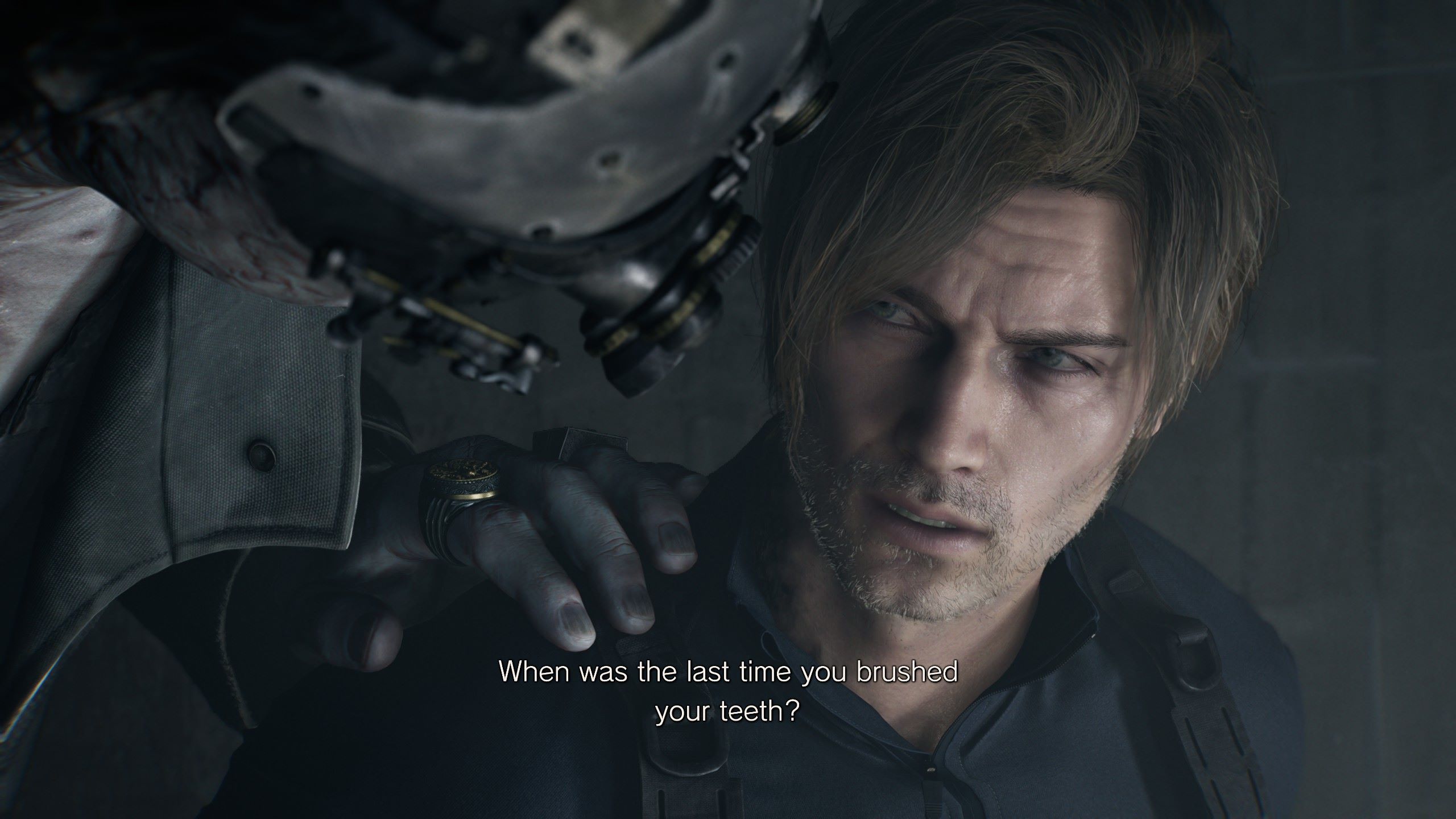
Leon S. Kennedy, meanwhile, is not too far removed from being in a hack n' slash title. The action in his sections can get to be a bit too much at times, but Requiem manages to not push things too far overall. Despite the greater focus on action, Leon’s sections aren’t actually totally void of thrills. There’s still an air of horror there, and it makes for a more enticing journey. Leon’s silly quips and over-the-top clashes keep things relatively lighthearted, but there is certainly depth to the fun that players will have with him.
Gameplay: 11/12 — A Balancing Act
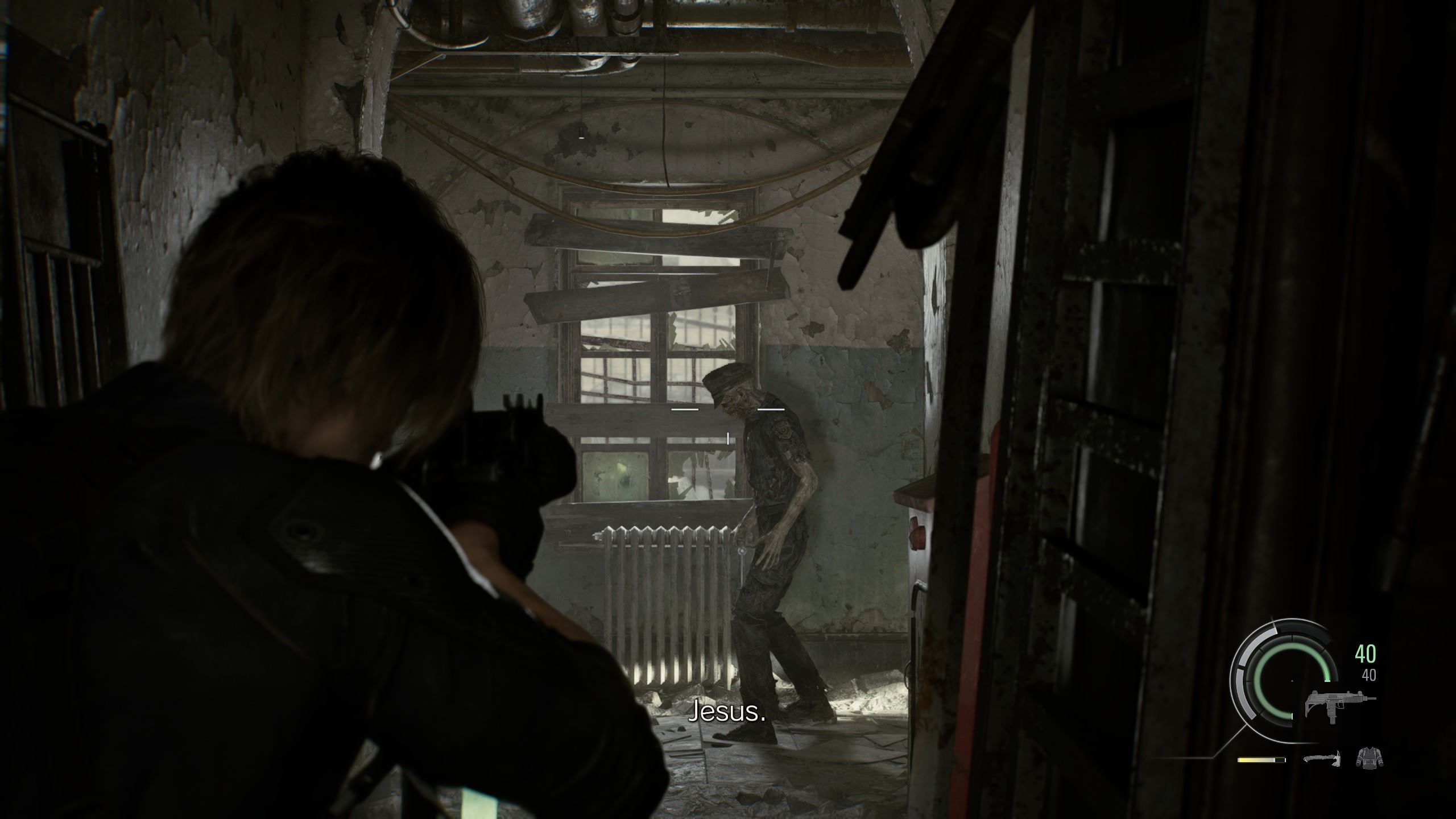
When it comes to the combat, Resident Evil Requiem doesn’t care to innovate too much. To be fair, it doesn’t need to. The gunplay in Resident Evil games has just about reached a perfect state.
What Requiem does need to concern itself with more than the other entries is creating a sense of balance in the gameplay in order to get the best out of its two protagonists. Grace is supposed to feel almost hopelessly underpowered, and Leon is supposed to shred through enemies like its nothing. Resident Evil Requiem actually manages to get this just right.
Getting through the care center with Grace requires more forethought and planning than anything in the series prior. Grace’s early-game has her completely starved for resources, unable to deal with every enemy she encounters. Though this is a bit annoying at first, I think it helps a lot in creating a real sense of tension. Leon taking the reins after her is supposed to provide some major stress relief, and it honestly does work out that way.
One thing that I’ll criticize Requiem for is its approach to melee combat. The game, in my opinion, embraces close-quarter confrontations much more than it should. Although it’s only Leon that needs to care about charging up heavy swings and getting timely parries, it all feels a bit out of place. I don’t mind it heavily, but this shouldn’t be a staple in the series going forward. At the very least, durability should be a much bigger concern. Carrying around a whetstone is just too ridiculous for my tastes.
Atmosphere: 12/12 — Residencies of Pure Evil
Resident Evil Requiem is quite the trip. Sheer terror, nostalgia, guilt, and sorrow — players get a little bit of everything in this game. Of course, what stands out most is the horror, but that doesn’t lessen the impact of the other things.
What makes Requiem feel so special is that emotional complexity. It elevates the stakes by making the struggle feel more personal. Whether that’s the first-person perspective making the game feel more terrifying or the remnants of Raccoon City bringing back a bunch of memories, Requiem really cares about having players feel as connected as possible to the game.
The score, the environments, and the visuals really sell the experience. Resident Evil Requiem is easily one of the most graphically impressive games out there, and that realism elevates the tension substantially. The sound design is also exceptional. The directionality of sound cues feels like it has taken a big step forward, making every little noise feel that much more unnerving. The music is also up to the usual Resident Evil standard, rounding out a truly incredible experience.
Design: 10/12 — Different Levels of Free
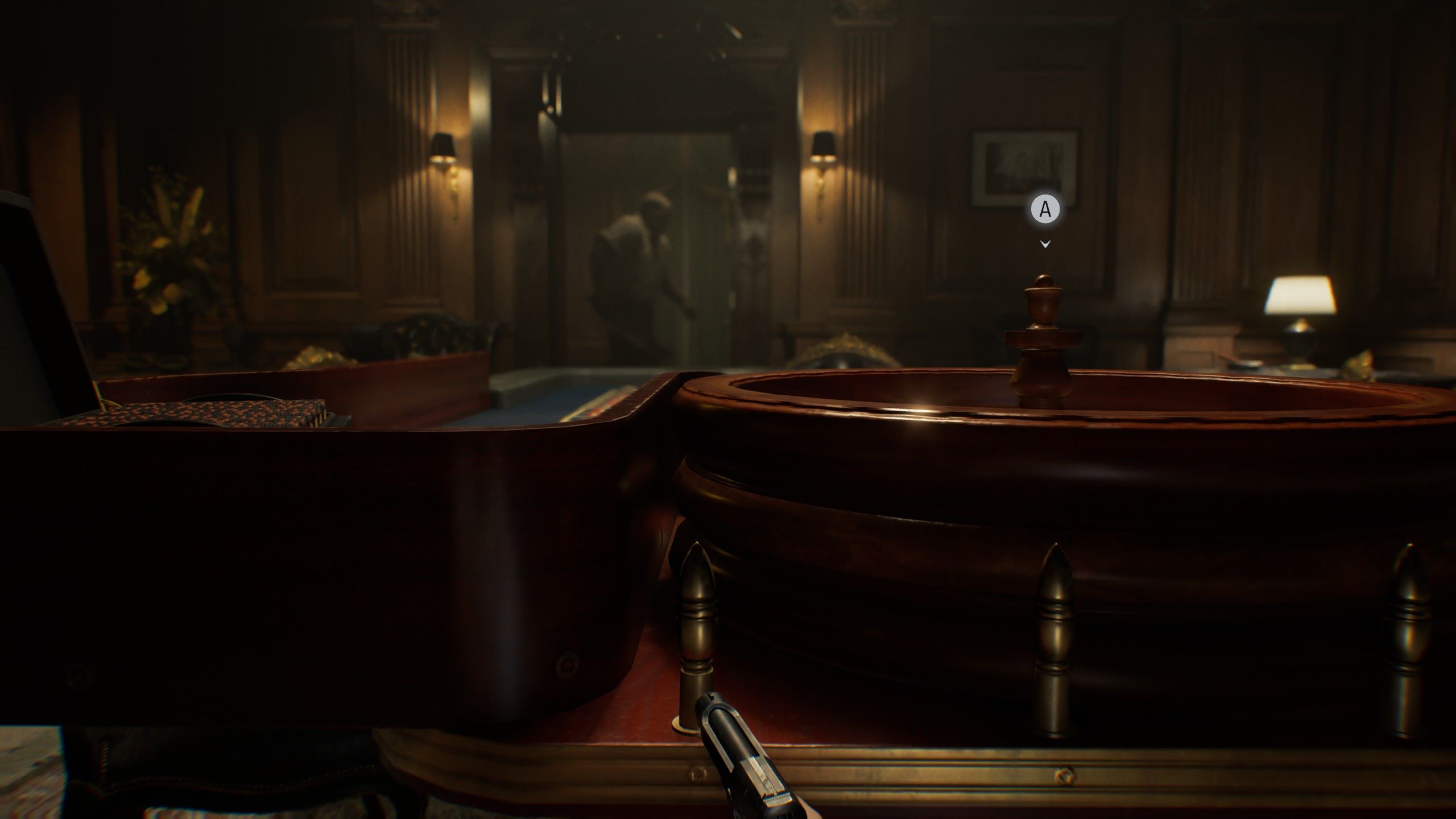
Resident Evil Requiem isn’t an open-world game, but there is clearly a strong emphasis on player freedom. I think Leon’s sections handle this pretty well. There is a good amount of room to explore, but the areas in which he finds himself in are limited enough that players will generally always be making progress. Leon being more action-oriented also means that the only roadbloacks he encounters are actually built into the map design. Enemies make for very temporary obstacles.
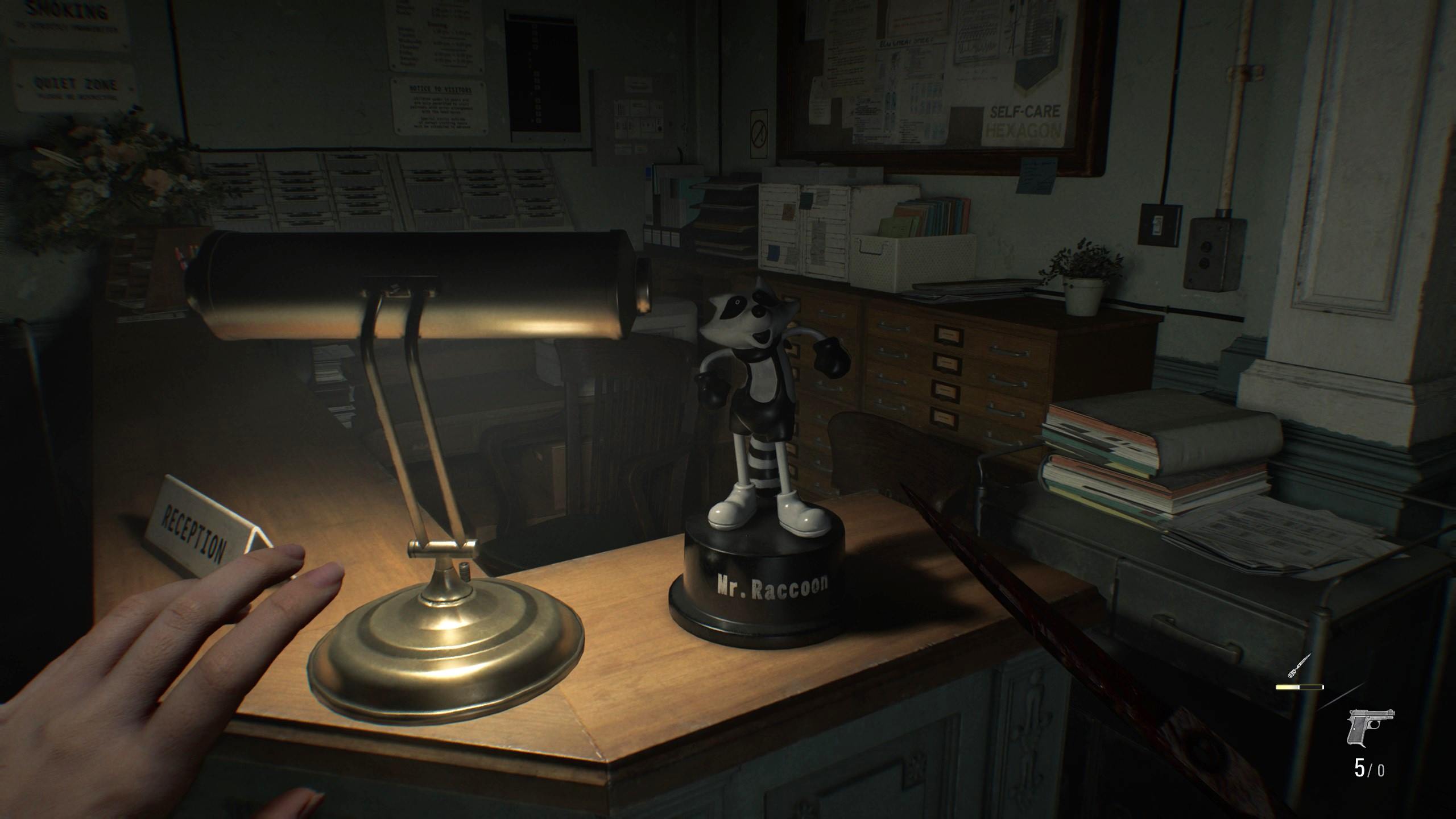
The care center in Requiem is a nice nod to the more puzzle-oriented era of Resident Evil, but it doesn’t work nearly as well because of its enemy situation. Feeling overwhelmed is really good for creating tension, but it compromises how players are supposed to actually move through the place.
Requiem indirectly encourages playing the game as Grace in a bit of a scummy way, which doesn’t make for a great introduction. Grace technically has the freedom to explore the huge care center however she wants, but the enemies are the ones that actually dictate the pace of her sections. Having to run away again and again doesn’t feel bad when you’re fully immersed in the game, but moments of nothingness start to stand out after a long session. It’s not a huge deal, but I feel like players could have been better forced to confront certain sections of the building.
Direction: 10/12 — A Mediocre Story, But a Great Journey
To be frank, Resident Evil Requiem’s narrative is pretty lackluster. It’s serviceable at best, but, fortunately, the story is probably the last thing that players will hone in on. What matters most is the actual journey and that’s where Requiem really makes a case for itself. The writing may be a bit weak, but the overall experience makes up for that.
Resident Evil Requiem is broken up into various different chapters. I’ve mentioned the transitions between Grace and Leon several times by now, but there is actually more to that structuring of the story. Players don’t just change between their point of view. There is something actually unique to the changed perspective, and I think this helps Requiem feel substantially more compelling as an adventure.
Despite how disconnected the characters might seem at times, there is a continuous sense of progress. I’m a big fan of the settings and enemies that the game gradually chooses to explore in more depth. Requiem doesn’t exactly present a linear journey, but it ramps up the danger at a fairly steady and consistent rate. The fact that Grace actually feels stronger and more resilient by the end of the game just goes to show how well Requiem manages its pacing. It’s a great quality.